Resources
Whether you’re a policymaker exploring solutions, a student conducting research or someone just trying to learn more about the Georgia budget and fiscal policy, we produce research, analysis and testimony on a wide range of issues.
The reports, blog posts and fact sheets below feature our most recent work first, although if you’re looking for something specific, our advanced search is just below.
Search all research
Newest Publications
-
House Transportation Package Takes Promising Turn
+ Full Article: House Transportation Package Takes Promising TurnHouse Bill 170 includes a number of provisions designed to generate additional revenues for improving Georgia’s gridlocked transportation system. The package that passed the Georgia House of Representatives on March 5, 2015 reforms Georgia’s gas tax, alters the way local governments apply sales taxes to motor fuel, creates new fees for alternative vehicles and eliminates…
-
Proposed Insurance Industry Tax Credit a $139 Million Budget Drain
+ Full Article: Proposed Insurance Industry Tax Credit a $139 Million Budget DrainA proposed new tax credit program that benefits insurance companies would cost Georgia an estimated $139 million in lost revenue by 2023. The credit is part of a complicated finance program designed to create investment in low-income communities. But the experiences of other states offer cautionary tales that should give Georgia lawmakers pause before they…
-
“New Markets” Tax Credit is a Bad Investment
+ Full Article: “New Markets” Tax Credit is a Bad InvestmentBill Analysis: House Bill 439 (LC 37 1964ERS) House Bill 439 proposes a costly new tax break called the Georgia New Markets credit that would drain state coffers when lawmakers already struggle to find enough revenue for transportation, education and other vital needs. The goal of the credit is to increase private investment in low-income…
-
Georgia Falls to Second Worst Uninsured Rate in U.S.
+ Full Article: Georgia Falls to Second Worst Uninsured Rate in U.S.Georgia fell further behind nearly all other states in ensuring access to health coverage for its residents in 2014, according to a new Gallup Health-Ways Well-Being Index report. Georgia ranked sixth in the 2013 Gallup survey. More than 19 percent of adults in Georgia went without health insurance in 2014, which is more than 5…
-
House Budget Squeezes Schools, Health Care Providers
+ Full Article: House Budget Squeezes Schools, Health Care ProvidersThe Georgia House of Representatives this week rearranged the state’s 2016 budget plan for education, health care and human services from the one the governor unveiled in January. The new version still does not include budget cuts required to pay for a pending plan to raise $1 billion for road and bridge maintenance. House Bill…
-
Tossing More Than 20,000 Georgians off State Health Plan a Bad Remedy
+ Full Article: Tossing More Than 20,000 Georgians off State Health Plan a Bad RemedyTossing non-certified school district workers who work less than 30 hours per week off the State Health Benefit Plan (SHBP) could unnecessarily push more Georgians into the insurance coverage gap. Gov. Nathan Deal’s proposal to remove more than 11,500 part time school district employees and 10,300 of their dependents from the plan threatens hardship for…
-
Health Plan Financial Challenges Remain if State Ends Coverage for Part-Time School Workers and Their Dependents
+ Full Article: Health Plan Financial Challenges Remain if State Ends Coverage for Part-Time School Workers and Their DependentsGeorgia’s governor proposes in the 2016 fiscal year to eliminate State Health Benefit Plan (SHBP) coverage for bus drivers, school nutrition workers and other “non-certified” school district employees who work fewer than 30 hours per week. This move could take insurance away from more than 21,000 people while leaving the plan’s more substantial financial challenges…
-
Swapping penny from schools, other state needs is not small change
+ Full Article: Swapping penny from schools, other state needs is not small changeAs published in the Atlanta Journal-Constitution on Feb. 11, 2015. Some powerful Georgia lawmakers are floating a plan to move $180 million out of the state account used for schools, public safety and other general needs to redirect the money solely for roads and bridges. The $180 million may not sound like a lot in…
-
Overview: 2016 Fiscal Year for Department of Community Health
+ Full Article: Overview: 2016 Fiscal Year for Department of Community HealthThe governor’s proposed 2016 budget directs $2.45 billion to the Department of Community Health, not including money for agencies attached for administrative purposes. That is a $27.8 million decline from the 2015 budget approved last spring. The department operates nine programs, although more than 96 percent of general fund spending, or about $2.36 billion, is…


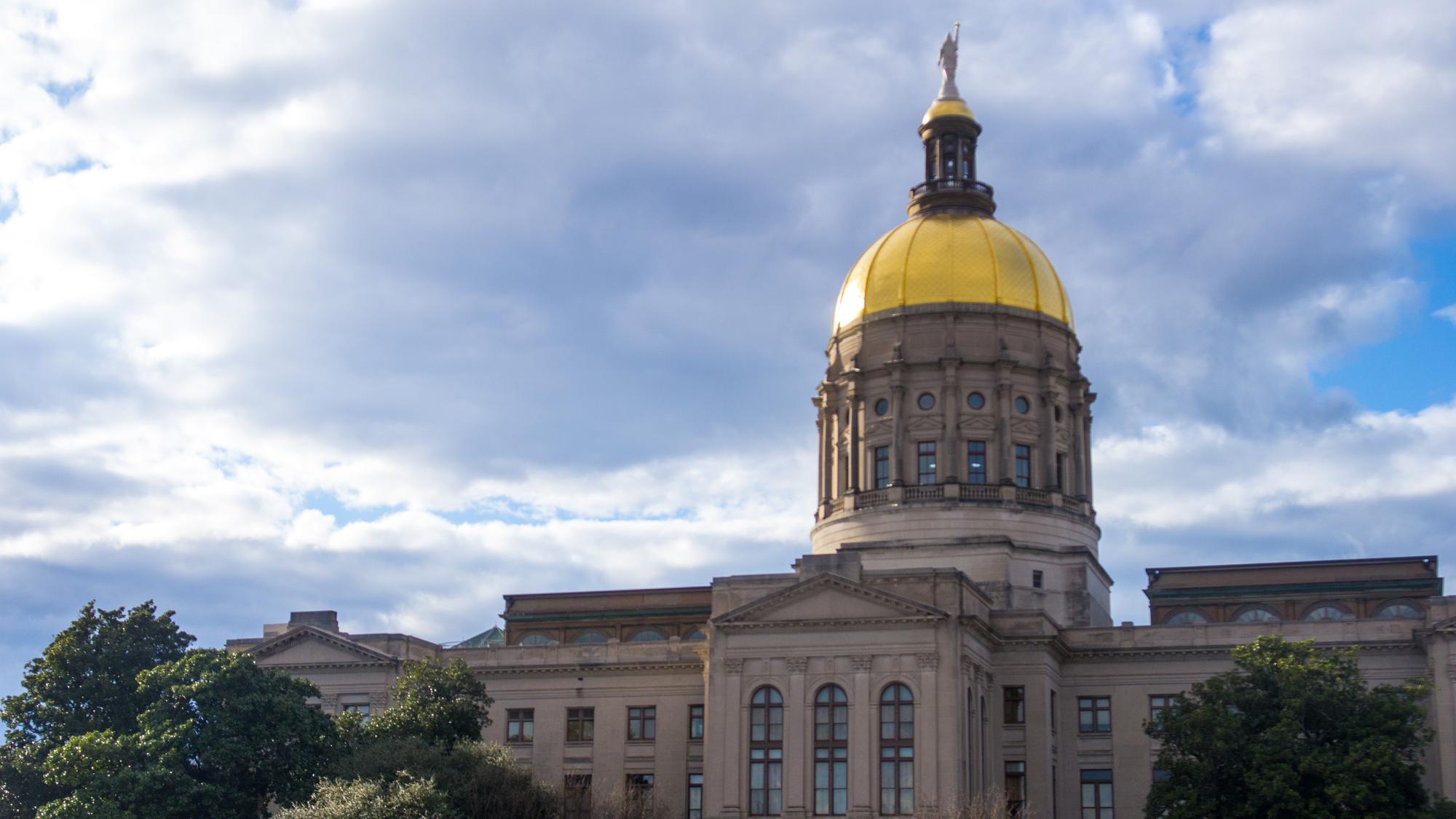






Featured · Budget Primer
Georgia’s 2027 Budget Primer
The Budget Primer walks through how Georgia raises and spends money: where the revenue comes from, what the state buys with it and who makes the call.
Browse research by issue area
Support GBPI
The Georgia Budget & Policy Institute is a 501(c)3 organization. We depend on the support of donors like you. Your contribution makes the work that we do possible.