A new poll commissioned by the Georgia Budget & Policy Institute (GBPI) from the University of Georgia School of Public and International Affairs Survey Research Center shows that a strong majority of Georgia registered voters view the Supplemental Nutrition Assistance Program (SNAP) as important. Overall, 60% of Georgia voters support allocating an estimated $50 million during the 2026 legislative session to fully fund SNAP program administration in the FY 2027 budget, ensuring continuity for the 1.4 million Georgians who rely on SNAP benefits to put food on the table.
Last year, Congress enacted H.R. 1, which included the deepest cuts to SNAP in program history. Going forward, Georgia lawmakers will now have a direct stake in funding a share of program costs in addition to increased administrative costs. In federal Fiscal Year (FY) 2027, the initial cost shift will require Georgia to cover 75% of administrative costs, up from 50%, which is equivalent to an increase of about $50 million in the state’s FY 2027 budget.
“SNAP is an effective and efficient anti-hunger program that helps more than one million Georgians afford the growing cost of food,” says Ife Finch Floyd, the Director of Economic Justice at the Georgia Budget and Policy Institute. “Fully funding SNAP administration will ensure Georgia’s Department of Human Services and Division of Family and Children Services has the resources they need to process eligibility and benefits in a timely manner while maintaining accuracy.”
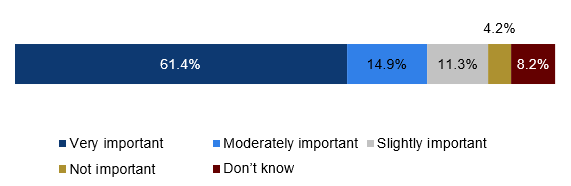
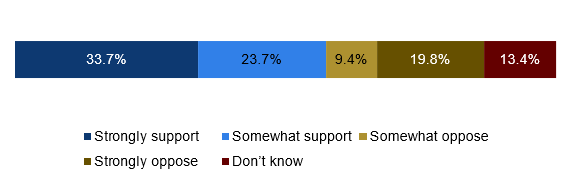
Almost universally, Georgians recognize the importance of SNAP, with 61.4% of respondents calling the program “very important,” 14.9% calling it “moderately important,” and 11.3% calling it “slightly important.” The poll also finds that Georgians report spending a median of $200 per week on groceries for their households, with nearly 34% of Georgians expressing concern that they will not be able to afford the cost of food over the next 12 months. Furthermore, 57% of Georgians expressed support for increased government expenditures for SNAP. This strong bipartisan majority of support for strengthening the program should encourage state leaders to put forward the resources necessary to keep funding for SNAP whole.
Poll highlights include:
- A strong bipartisan majority of 76% of Georgia voters consider the SNAP program to be very or moderately important, including 90.4% of Democrats, 79.1% of independents, and 59.2% of Republicans.
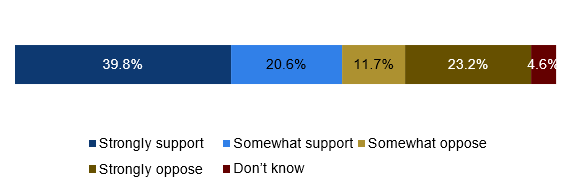
- When Georgians are asked if they support or oppose allocating an estimated $50 million in state funds to make up for the shortfall caused by recent federal cuts, 60.4% support increased state appropriations for this purpose.
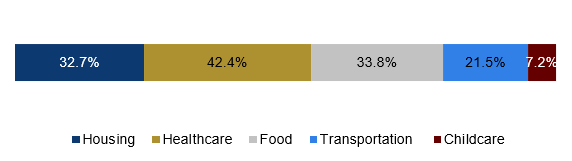
- Affordability remains a top concern among Georgia voters. 42.4% are concerned they might not be able to afford the cost of health care over the next 12 months, while 33.8% say the same about food and 32.7% are concerned about the cost of housing.
See the full results below:

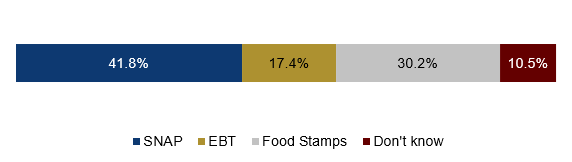
Question 1: Which name do you most associate with the federal government’s food assistance program
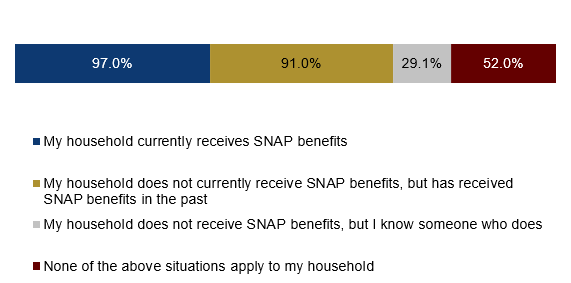
Question 2: In reference to the SNAP program, please select the option that best describes your household’s situation:
Option 1: My household currently receives SNAP benefits
Option 2: My household does not currently receive SNAP benefits, but has received SNAP benefits in the past
Option 3: My household does not receive SNAP benefits, but I know someone who does
Option 4: None of the above situations apply to my household
Question 3: Approximately 1.4 million Georgians currently receive SNAP benefits. Based on your own knowledge, how would you rate the importance of the SNAP program for Georgia? Would you say this program is very important, moderately important, slightly important, or not important?
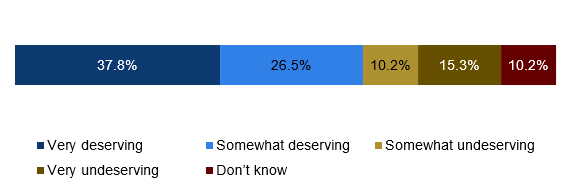
Question 4: In your opinion, how deserving are most recipients of SNAP benefits in Georgia? Are they…
Question 5: Earlier this year, Congress passed legislation that will reduce funding for state agencies that administer the SNAP program in 2026. Do you support or oppose Georgia allocating an estimated $50 million in state funds to make up for this shortfall to fully fund administration of the SNAP
program?
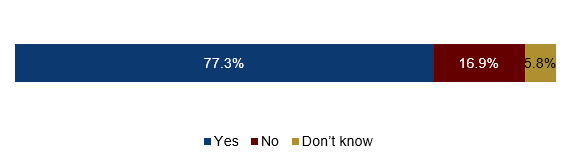
Question 6: Thinking about the community where you live, would you say that you have access to affordable and nutritious food?
Question 7: Approximately how much money do you spend on groceries for yourself and your household each
week?
Summary Statistics: Mean amount of how much respondents reported spending on groceries: $200.48;
Median amount of how much respondents reported spending on groceries: $200.00;
Standard Deviation: 115.0
Question 8: Thinking about your current financial situation, how concerned are you that you may not be able to afford the following things over the next 12 months? [Notes: Entries are the percentage of respondents indicating category was an affordability challenge; respondents could choose as
many categories as apply.]
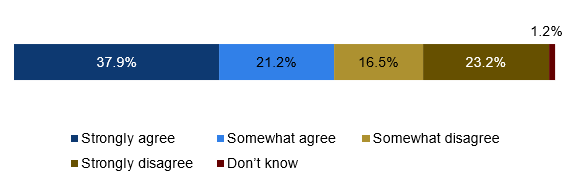
Question 9: Do you agree or disagree with this statement: It is the role of government to make sure that no one should have to worry about whether they can put food on the table.
Question 10: Research from the U.S. Department of Agriculture which oversees SNAP has found that for every $1.00 that SNAP recipients receive, up to $1.50 is generated in economic returns. Do you support or oppose increased government expenditures for SNAP?
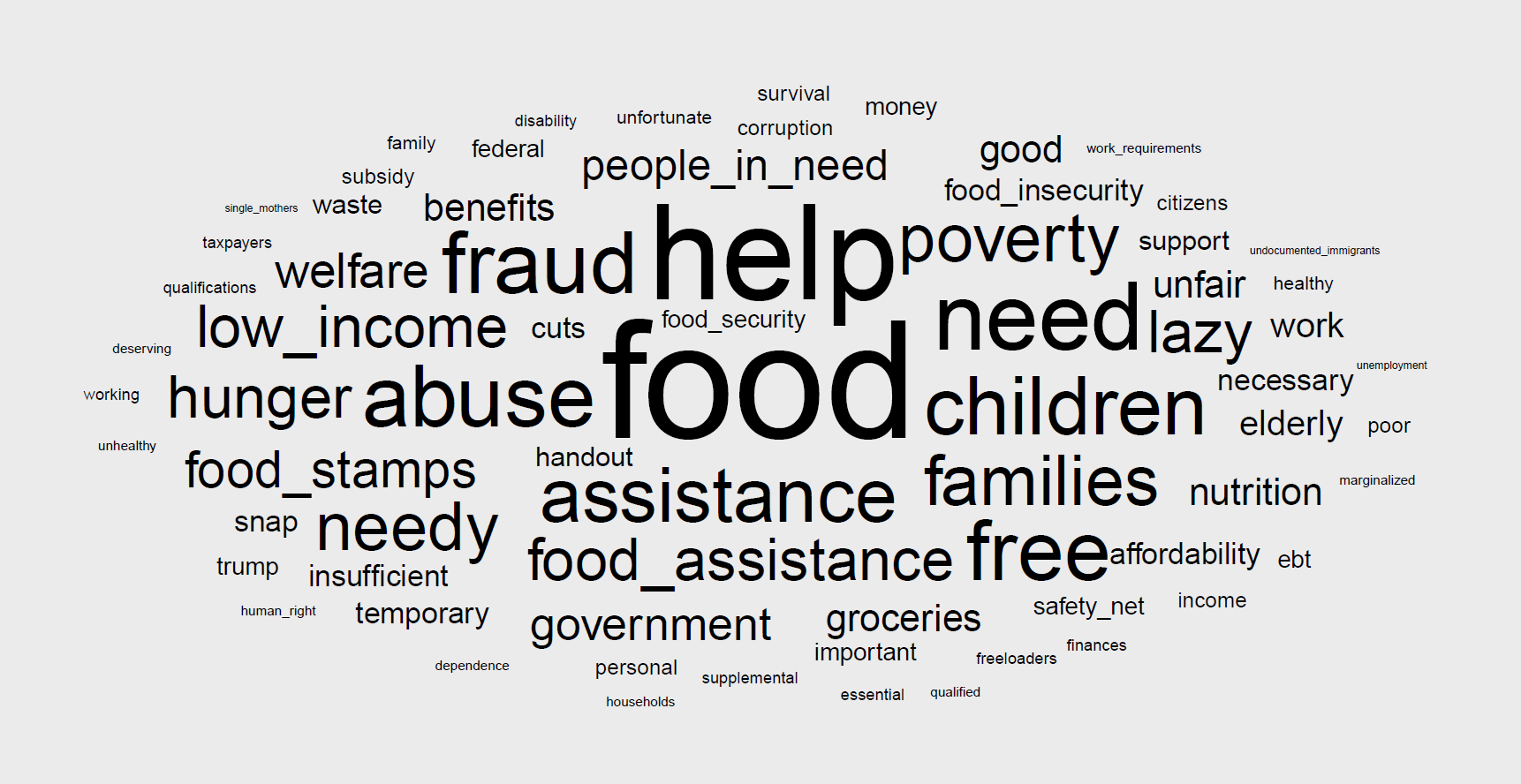
Question 11: What is the first thing that comes to mind when you think about SNAP (word cloud):